The short answer: Mold indoors needs moisture, so the check follows the water: wet glass, a damp cooling unit, a shut closet, a humid bed and room air above the humidity levels the agencies give. When the source is hidden, the EPA says to consider an experienced professional, and a mold inspection by a Florida licensed mold assessor is one way to get one.
This page is about the room itself. How the health agencies describe mold's effects on young people is covered on our page about mold and children.
Eyes, Nose and a Humidity Meter
The EPA's course chapter on investigating mold says the most important equipment is your own eyes and nose, and that a good flashlight may help. It reminds readers that mold comes in many colors, not just black.
The same chapter says damp or musty odors suggest water is or was present and that mold growth is likely. For the air, the EPA's Brief Guide describes a moisture or humidity meter as a small instrument costing about $10 to $50 at many hardware stores.
Windows: Where Warm Air Meets Cold Glass
Start at the glass and the sill. The EPA's course chapter on moisture explains that condensation may form when warm, humid air contacts a cold surface, and calls condensation a possible sign of high humidity.
Its Ten Things You Should Know About Mold lists windows, exterior walls and floors among the cold surfaces where insulation can reduce condensation.
Furniture Pushed Against an Outside Wall
Check behind the headboard, the dresser and the toy shelf. The EPA's moisture chapter says mold is frequently found on walls in cold corners behind furniture, where condensation forms.
The Brief Guide names the same place on its list of spots where mold can hide: the surface of walls behind furniture.
AC Vents and the Unit Behind Them
Dust on a return grille is expected. In its air duct cleaning guide, the EPA explains that dust laden air is pulled through the grate, and that this alone does not mean the ducts are contaminated.
Growth is a different matter. The EPA's moisture chapter says mold growing near the intake to a heating and cooling system points to possible humidity problems, and that such a system can spread mold through a building.
Water at the Cooling Coils
The duct guide calls condensation on or near the cooling coils a major factor in moisture getting into the system. It says to make sure the condensate pan drains properly, and that substantial standing water or debris there needs immediate attention.
The Florida Department of Health gives similar steps: look around the air handler for standing water, and check the evaporator coils, the liner surfaces, the drain pans and the drain lines on a routine basis.
If the System Itself May Hold Mold
The Brief Guide says not to run a heating and cooling system you know or suspect is contaminated with mold, because it could spread mold through the building. The Florida Department of Health says that, ideally, the system should be shut down while cleaning or mold removal is done.
Telling Mold From Look Alikes
The duct guide warns that something may look like mold without being mold, and that a positive answer can come only from an expert and may need laboratory analysis. It also suggests asking a service provider to show you any mold they say exists.
The Closet: Dark, Shut and Full of Paper
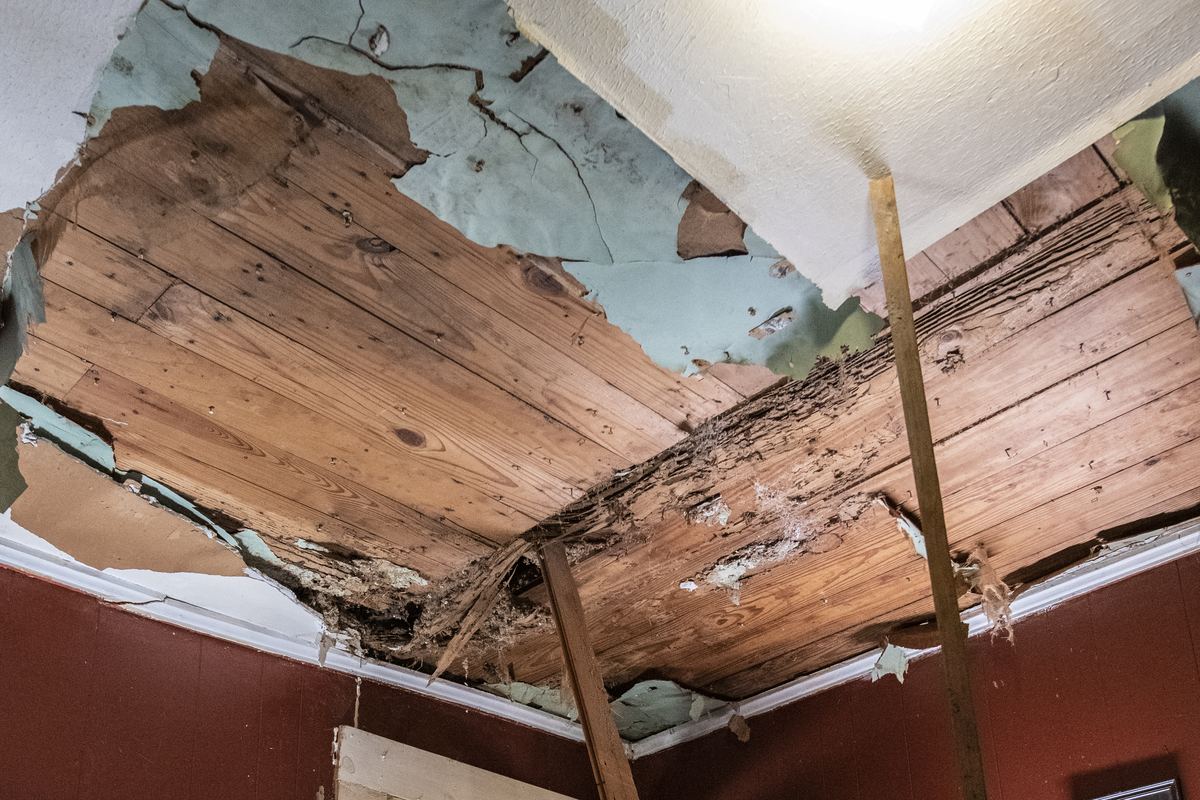
A child's closet often holds cardboard boxes, books and stuffed toys behind a closed door. The EPA's investigation chapter says mold does not need light to grow and can grow in dark areas and on hidden surfaces.
Its moisture chapter lists wood, paper, carpet and insulation among the materials mold grows on. The Florida Department of Health adds that even dust settled on furniture can be a food source for molds.
Drying Things Before They Go Back In
The EPA's moisture chapter includes making sure carpets, drapes, furniture and other furnishings are dried promptly after they have been cleaned.
The Bed: Moisture the Child Brings
Some of the water in a bedroom comes from the person sleeping there. On its list of moisture sources, the Florida Department of Health includes moisture from our bodies, and gives sweat, breath and wet hair on pillows as examples.
Mattresses and Other Soft Items
A mattress is porous. Once porous or absorbent materials turn moldy, the Brief Guide says, they may have to be thrown away, because mold can fill their empty spaces and crevices and be hard or impossible to remove completely.
The Florida Department of Health makes a matching point about materials that are not easily cleanable, saying removal and replacement may be necessary.
The Rug Under the Bed
If a rug or carpet ever got wet, the EPA's investigation chapter says its backing or padding must be dried along with the carpet, or mold will likely result. The Brief Guide lists the underside of carpets and pads among places mold can hide.
Humidity: The Number for the Whole Room
| Florida Department of Health | Below 60%, and below 50% is best for holding down both mold growth and dust mites |
|---|---|
| EPA, A Brief Guide to Mold, Moisture and Your Home | Below 60 percent if possible, ideally between 30 and 50 percent relative humidity |
| EPA, Ten Things You Should Know About Mold | Reduce indoor humidity to 30 to 60% to decrease mold growth |
Dust mites belong in the humidity question too. The Florida Department of Health says dust mites eat mold and that they reduce allergen production at the lower humidity levels.
When the AC Cannot Keep Up
The department says to use an air conditioner or a dehumidifier to bring indoor humidity below 60%. It adds that if a home with central air still needs a dehumidifier to get there, the air conditioning system should be examined for problems.
When to Ask for an Inspection
A quick look covers the surfaces. The agencies name these signs as pointing to something more:
- Mold that comes back quickly or spreads after cleaning, which the Florida Department of Health says may mean an underlying problem such as a water leak
- A moldy smell with no visible source, which the Brief Guide gives as a reason to suspect hidden mold
- Growth covering more than about 10 square feet, where both the department and the EPA point to the EPA's remediation guide
- A cooling system that may hold mold, which the Brief Guide says to look into before running it
Why Hidden Mold Calls for Care
The Brief Guide says investigating hidden mold can be difficult and needs caution, since disturbing a site can release spores, for example when wallpaper with mold underneath is pulled off. If you believe you have a hidden mold problem, it says to consider hiring an experienced professional.
In Florida, the Department of Business and Professional Regulation is responsible for licensing and regulating mold assessors and mold remediators.
Asking From Jacksonville
Parents anywhere in Jacksonville send a request the same way, and so do families asking about mold inspection in Jacksonville Beach.
Worried about mold in a child's bedroom? You can send a request, and you do not pay us to ask. Any inspection is done by a company whose mold assessor holds a Florida license, which may pay us for the introduction.
Mold in a Child's Bedroom: Short Answers
Should I buy a mold test kit for the bedroom?
The Florida Department of Health does not recommend mold testing or sampling to find out whether you have a mold problem or what kind is growing. Where growth can already be seen, it says sampling is usually not needed. It also notes that air sampling can be expensive and, if done, should only be done by experienced professionals.
Is bleach needed to clean a spot in a child's room?
The Florida Department of Health says using bleach or other chemicals to kill indoor mold is not needed in most cases, and that the goal is to remove the growth by cleaning or removing moldy materials. If you do use bleach, it says to follow the label and never mix it with ammonia cleaners or acids, because a dangerous chlorine gas may form.
Can an ozone machine clear mold from a bedroom?
The Florida Department of Health answers no. It says ozone irritates lungs and is not likely to be effective against an indoor mold problem, and that no one should expose themselves or others to ozone on purpose. Its guidance is to address the moisture first and then remove the mold.
Sources
- Florida Department of Health, Mold. https://www.floridahealth.gov/community-environmental-public-health/environmental-public-health/air-quality/mold/. Read 2026-11-23.
- EPA, A Brief Guide to Mold, Moisture and Your Home. https://www.epa.gov/mold/brief-guide-mold-moisture-and-your-home. Read 2026-11-23.
- EPA, Mold Course Chapter 2: Mold and Moisture. https://www.epa.gov/mold/mold-course-chapter-2. Read 2026-11-23.
- EPA, Mold Course Chapter 3: Investigating Mold. https://www.epa.gov/mold/mold-course-chapter-3. Read 2026-11-23.
- EPA, Ten Things You Should Know About Mold. https://www.epa.gov/mold/ten-things-you-should-know-about-mold. Read 2026-11-23.
- EPA, Should You Have the Air Ducts in Your Home Cleaned? (duct cleaning guide). https://www.epa.gov/indoor-air-quality-iaq/should-you-have-air-ducts-your-home-cleaned. Read 2026-11-23.
- Florida DBPR, Mold-Related Services. https://www2.myfloridalicense.com/mold-related-services/. Read 2026-11-23.
The service
Mold inspection: what a Florida licensed mold assessor looks at when the source is out of sight.
More guides
Mold in an apartment for renters, and mold inspection cost for what goes into a quote.
How to ask
Send a request using four short fields. A company whose mold assessor holds a Florida license may receive it and may pay us for the introduction.