Water first, then mold
A mold inspection after water damage starts from one fact. The EPA says mold may begin growing indoors when spores land on wet surfaces, and that none of the many types of mold will grow without water or moisture.
The Florida Department of Health calls controlling moisture the key to stopping indoor mold growth, because all molds require water to grow.
We do not inspect homes ourselves; if a company takes your request, the inspection is done by its Florida licensed mold assessor. Requests sent here are for mold work only, not for fixing the leak or drying the home.
The stages of an assessment visit

1. History first
If a company takes your request, its assessor may ask what got wet, where the water came from and how long it stayed. Florida law bases a mold assessment on a building history and an inspection.

2. Moisture readings
The assessor may use a moisture meter on walls, floors and ceilings along the water's path. The EPA says these meters can also track how damaged materials are drying.

3. Samples if useful
Where the source of the mold is unclear, the assessor may take air or surface samples for a lab. Ask what each sample is meant to show.

4. Findings in writing
The statute names origin, identity, location and extent as what an assessment works out. Ask for the findings in writing so a remediation company can read them.
Flood, storm, roof leak or pipe leak
The Florida Department of Health lists the ways moisture gets into a home. Four of them match the cases below, and each one leaves water in different places.
Mold inspection after a flood
On the department's list, flooding from outside means storm water, overflowing lakes and streams, and storm surge. Flooding from inside means overflow from sinks, tubs, toilets, air conditioner drain pans or sewer systems.
The Homeowner's and Renter's Guide to Mold Cleanup After Disasters, written by the EPA, FEMA, HUD, the CDC and the National Institutes of Health, draws a firm line. If a flooded home, furniture and other items included, could not be dried within 24 to 48 hours, the guide says you should assume you have mold growth.
Flood water that carried sewage
The same guide says flood water may have carried sewage or chemicals into a home. For damage caused by sewage or other contaminated water, the EPA says to call in a professional who has experience cleaning and fixing buildings damaged by contaminated water.
Mold inspection after a storm
A storm can wet a house without flooding it. The health department lists three routes for water from outside: leaks through the roof, the walls and the floors.
Mold inspection after a roof leak
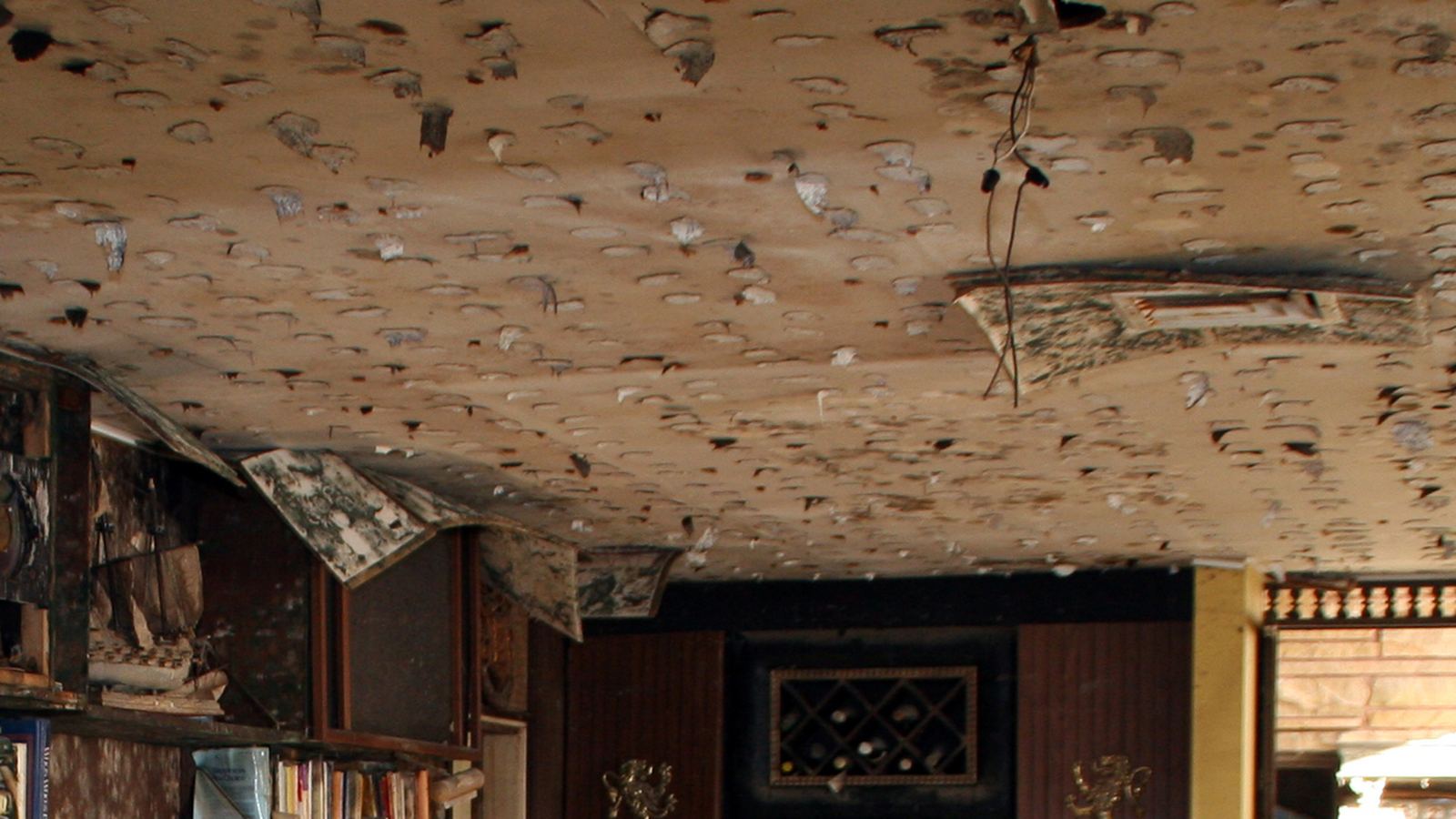
Roof water often ends up above the ceiling, out of sight. The EPA lists roof materials above ceiling tiles, wet from roof leaks or insufficient insulation, among the possible locations of hidden mold.
It also names the top side of ceiling tiles as a hidden surface where mold may grow.
Mold inspection after a pipe leak
Indoor plumbing leaks and broken water pipes are on the department's list as well. The EPA adds areas inside walls around leaking or condensing pipes to its list of hidden mold locations.
With a leak behind drywall, the source can stay out of sight. The EPA says you may suspect hidden mold if a building smells moldy but you cannot see where the smell comes from.
How soon to check after water
Official sources set no deadline for a mold inspection. They do set one for drying, and it is short.
| U.S. EPA | Dry wet or damp materials within 24 to 48 hours of a leak or spill, and in most cases mold will not grow. |
|---|---|
| Florida Department of Health | Common molds can take hold when water stands for even 24 hours. Dry wet building materials and carpets within 24 hours. |
Inside the drying window
If the leak is fresh, the EPA guide's first step comes before any inspection: "Fix plumbing leaks and other water problems as soon as possible," then dry what got wet. The federal disaster guide calls drying your home and removing water damaged items your most important step for preventing mold damage.
Once the window has passed
If materials stayed wet longer than that, the question becomes whether mold has started and where. That is the point where a mold inspection after water damage is most useful.
Signs the health department names
- An earthy or musty odor: the department says that if you can smell one, you may have a mold problem.
- Water leaks, standing water, water stains or condensation, which it lists as signs of moisture or water damage.
- Growth that may look cottony, velvety, rough or leathery, in colors from white and gray to black, yellow or green.
When the growth is already visible
The EPA says that in most cases, if visible mold growth is present, sampling is unnecessary.
For the first days after a leak, step by step, read mold after water damage: the first days.
What the assessor checks after water
Florida law defines a mold assessment as a process performed by a mold assessor that includes physical sampling and a detailed evaluation of data from a building history and inspection. In the statute's words, the aim is an initial hypothesis about the origin, identity, location and extent of amplification of mold growth above a size the statute sets.
Assessors set their own methods. The checks below are the ones the federal guides describe.
Moisture readings
The EPA's brief guide points to its remediation guide for schools and commercial buildings when there has been a lot of water damage. That guide says moisture meters may help measure the moisture content of building materials after water damage and can track how damaged materials are drying.
The meters have a thin probe that goes into the material or presses against its surface. The EPA lists carpet, wallboard, wood, brick and concrete as materials they can be used on.
Hidden cavities
The EPA names these surfaces and spaces where mold may grow out of view:
- The underside of carpets and pads
- The back side of drywall, wallpaper or paneling
- Inside walls around leaking or condensing pipes
- The surface of walls behind furniture, where condensation forms
- The top side of ceiling tiles and roof materials above them
- Inside ductwork
Opening a wall with care
The EPA warns that investigating hidden mold may be difficult and calls for caution when it means disturbing places where mold may be growing. Pulling off wallpaper with mold on its underside, it says, can lead to a massive release of spores.
For a suspected hidden mold problem, the agency's advice is to consider hiring an experienced professional.
Air samples and surface samples
The EPA's remediation guide lists air samples, surface samples and bulk samples, such as chunks of carpet, insulation or wallboard, among the types of samples.
The Florida Department of Health does not recommend mold testing or sampling to see whether you have a mold problem or what kind of mold might be growing.
When the EPA says sampling may help
The EPA says sampling may be considered in specific instances, including when the source of the mold contamination is unclear. It says sampling may help locate that source, and that surface sampling may show whether an area has been adequately cleaned.
Limits of a lab result
No EPA or other federal limits have been set for mold or mold spores, the EPA says, so sampling cannot be used to check a building against federal mold standards.
A question for the company
If a company contacts you, ask before the visit which samples it plans to take, what each one is meant to answer and what each one costs.
Finding the water source
A check that finds mold also needs to find the water. The EPA says that if you clean up the mold but do not fix the water problem, the mold problem will most likely come back.
If water reached the air conditioning: the EPA says not to run the HVAC system if you know or suspect it is contaminated with mold, because it could spread mold throughout the building. Our page on indoor air quality testing covers checks of the air itself.
Inspection or remediation after a flood
Some homeowners need to know whether mold is there at all. Others can already see it and want it removed.
Florida licenses a different person for each job. The Department of Business and Professional Regulation licenses and regulates mold assessors and mold remediators.
Inspection: when the extent is unknown
Florida law defines a mold assessor as any person who performs or directly supervises a mold assessment. This path fits when you cannot tell whether mold is present, where it is or how far it reaches.
The visit itself is explained on mold inspection and testing.
Mold remediation after flood damage
The statute defines mold remediation as the removal, cleaning, sanitizing, demolition or other treatment, including preventive activities, of mold or mold contaminated matter above a size the statute sets.
About cleanup after a flood, the federal disaster guide says the job may be too difficult or dangerous for you, and that it may be best to get help from experienced and qualified professionals if you can. That work is covered on mold remediation and removal.
Small patches: what the EPA says
The EPA says a small moldy area, roughly 3 feet by 3 feet, is in most cases a job you can handle yourself by following its guidelines. Its exceptions include a lot of water damage and contaminated water.
More on the two licenses
What each license covers is set out in our guide to Florida mold license types.
Who does the work
Juniper Tide Mold Referrals is a referral service and does no inspection, testing or removal. We may pass your request to an independent company whose mold assessor or remediator holds a Florida license, and that company may pay us for the introduction.
Look up the license
Before you hire anyone, including a company you reach through this site, look up the license of the assessor or remediator it sends on the state's license search.
Finding your area
To see whether requests are taken where you live, open the areas served page or go back to the home page.
What This Work Looks Like
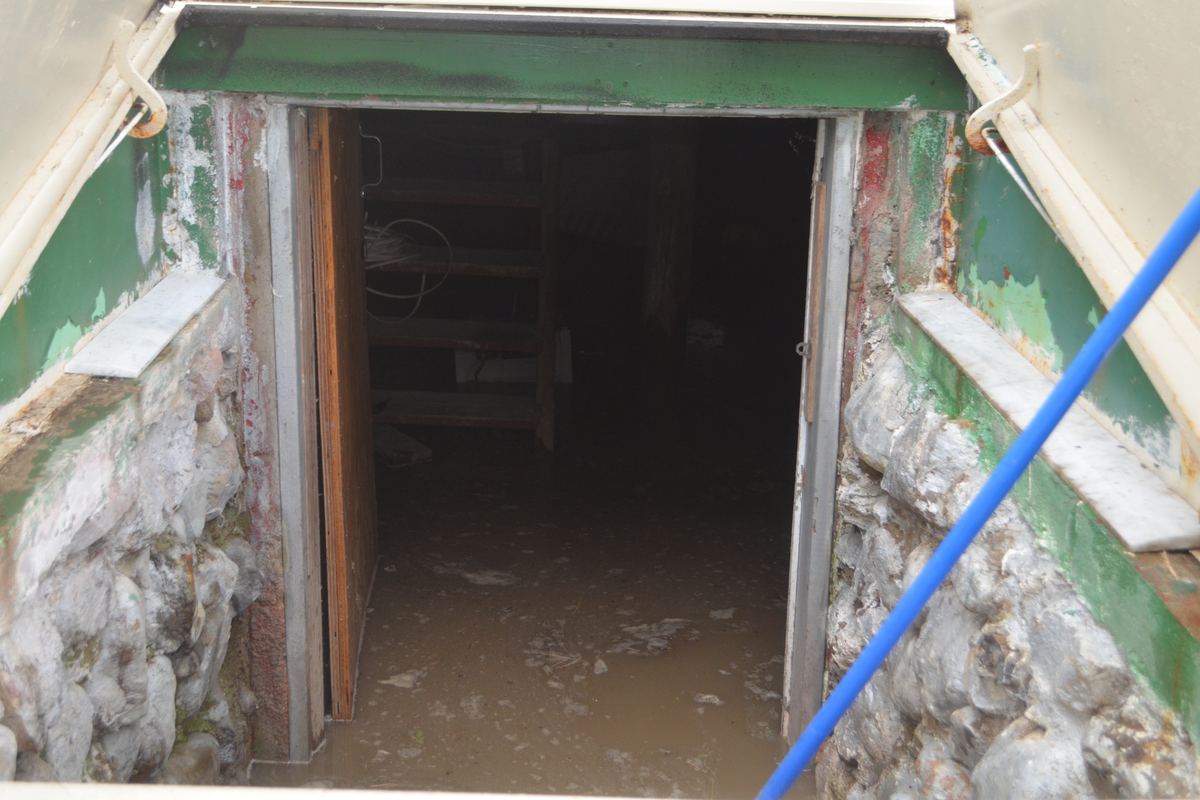
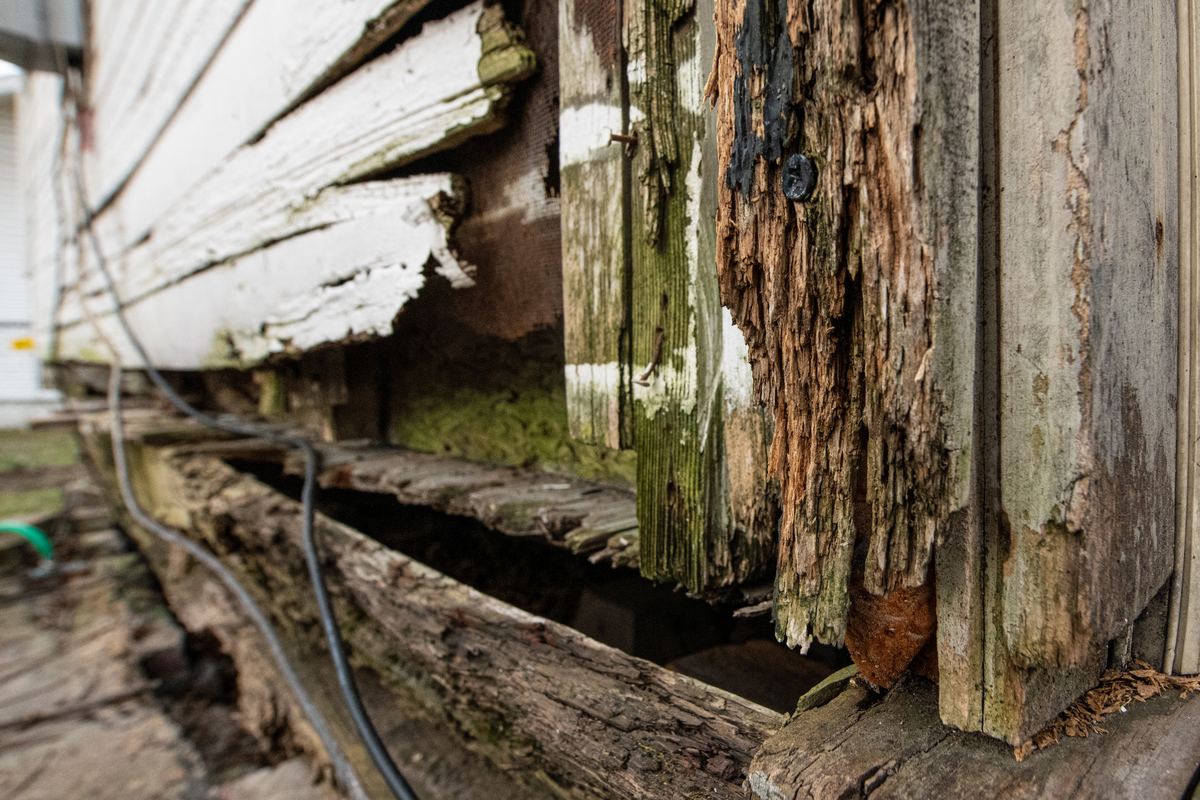
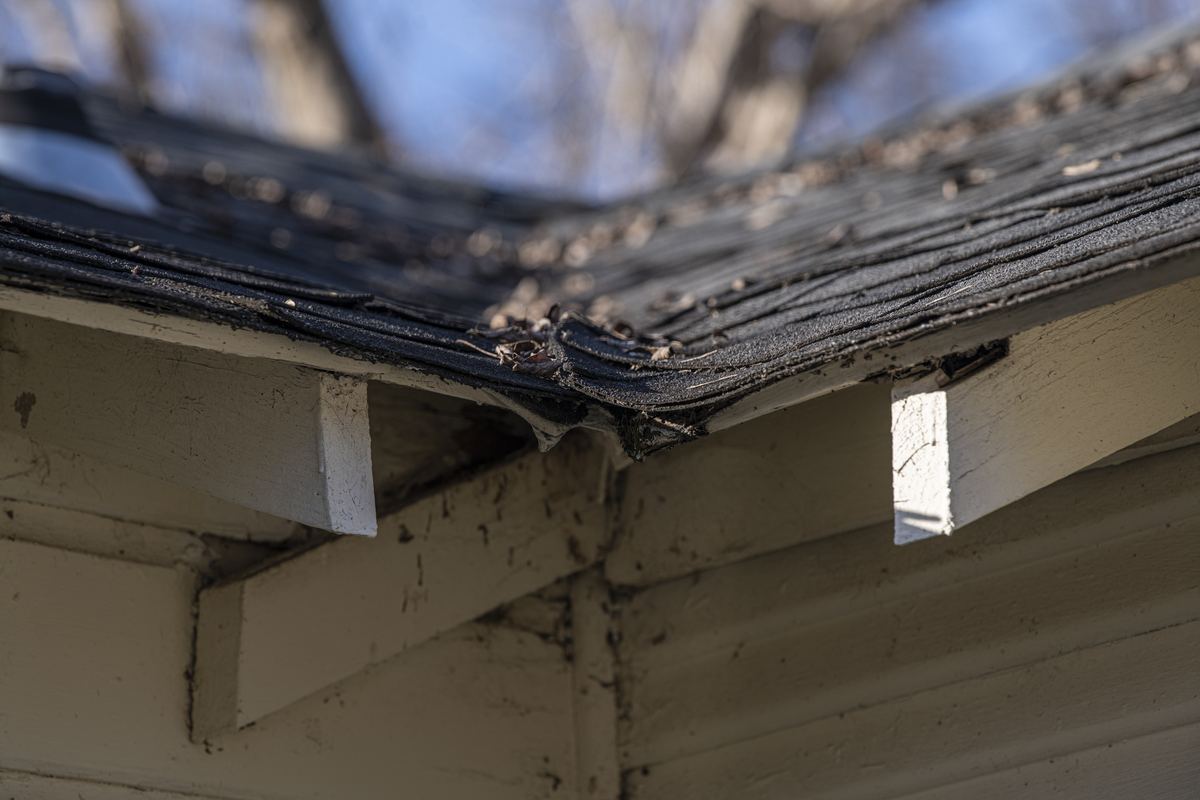
Public domain photos of other homes, shown to illustrate the work. They are not jobs arranged through this site.
Mold Inspection After Water Damage: Questions
How soon after a leak or flood should a home be checked for mold?
Official sources give a deadline for drying rather than for an inspection, and the timing table above sets it out. A mold inspection after water damage fits best once that window has passed and something stayed wet.
Is mold testing needed after a flood?
Often it is not. The federal disaster guide says sampling for mold is not usually recommended, and that whatever kind of mold is in the home, you need to clean it up and fix the moisture problem.
Can mold grow behind walls after a pipe leak?
Yes. The EPA lists the back side of drywall and areas inside walls around leaking or condensing pipes among the places mold may hide; the pipe leak section above has more.
Does homeowners insurance pay for mold after water damage?
That is a question for your own insurer; our article Does homeowners insurance cover mold in a Florida home? collects what official sources say.
Who carries out the inspection?
Not us: we are a referral service, and our about page explains how the referral works. Any company that contacts you sets its own price and decides what the visit includes.
Sources
- A Brief Guide to Mold, Moisture and Your Home (U.S. EPA). https://www.epa.gov/mold/brief-guide-mold-moisture-and-your-home. Read 2026-11-22.
- Mold Remediation in Schools and Commercial Buildings Guide, Chapter 3 (U.S. EPA). https://www.epa.gov/mold/mold-remediation-schools-and-commercial-buildings-guide-chapter-3. Read 2026-11-22.
- EPA, HUD, FEMA, NIH and CDC, Homeowner's and Renter's Guide to Mold Cleanup After Disasters (June 2015, PDF). https://www.epa.gov/sites/default/files/2017-08/documents/mold._homeowners_and_renters_guide_to_cleanup_after_disasters.pdf. Read 2026-11-22.
- Florida Department of Health, Indoor Mold and Your Health. https://www.floridahealth.gov/community-environmental-public-health/environmental-public-health/air-quality/mold/. Read 2026-11-22.
- Florida Department of Business and Professional Regulation, Mold-Related Services. https://www2.myfloridalicense.com/mold-related-services/. Read 2026-11-22.
- Florida Statutes section 468.8411, mold-related services: definitions. https://www.leg.state.fl.us/statutes/index.cfm?App_mode=Display_Statute&URL=0400-0499/0468/Sections/0468.8411.html. Read 2026-11-22.
- U.S. Environmental Protection Agency, Homeowner's and Renter's Guide to Mold Cleanup After Disasters (page listing its authors). https://www.epa.gov/mold/homeowners-and-renters-guide-mold-cleanup-after-disasters. Read 2026-11-22.
Where we take requests
Requests are taken for Jacksonville and Jacksonville Beach. See all areas served.
Related pages
Mold inspection and testing when no known leak explains the mold. Mold remediation and removal when the mold is already found. Indoor air quality testing for questions about the air.
Ask for a mold check after a leak
Fill in the short form, and we may pass it to a company whose mold assessor or remediator holds a Florida license. That company may contact you, and it may pay us for the introduction.