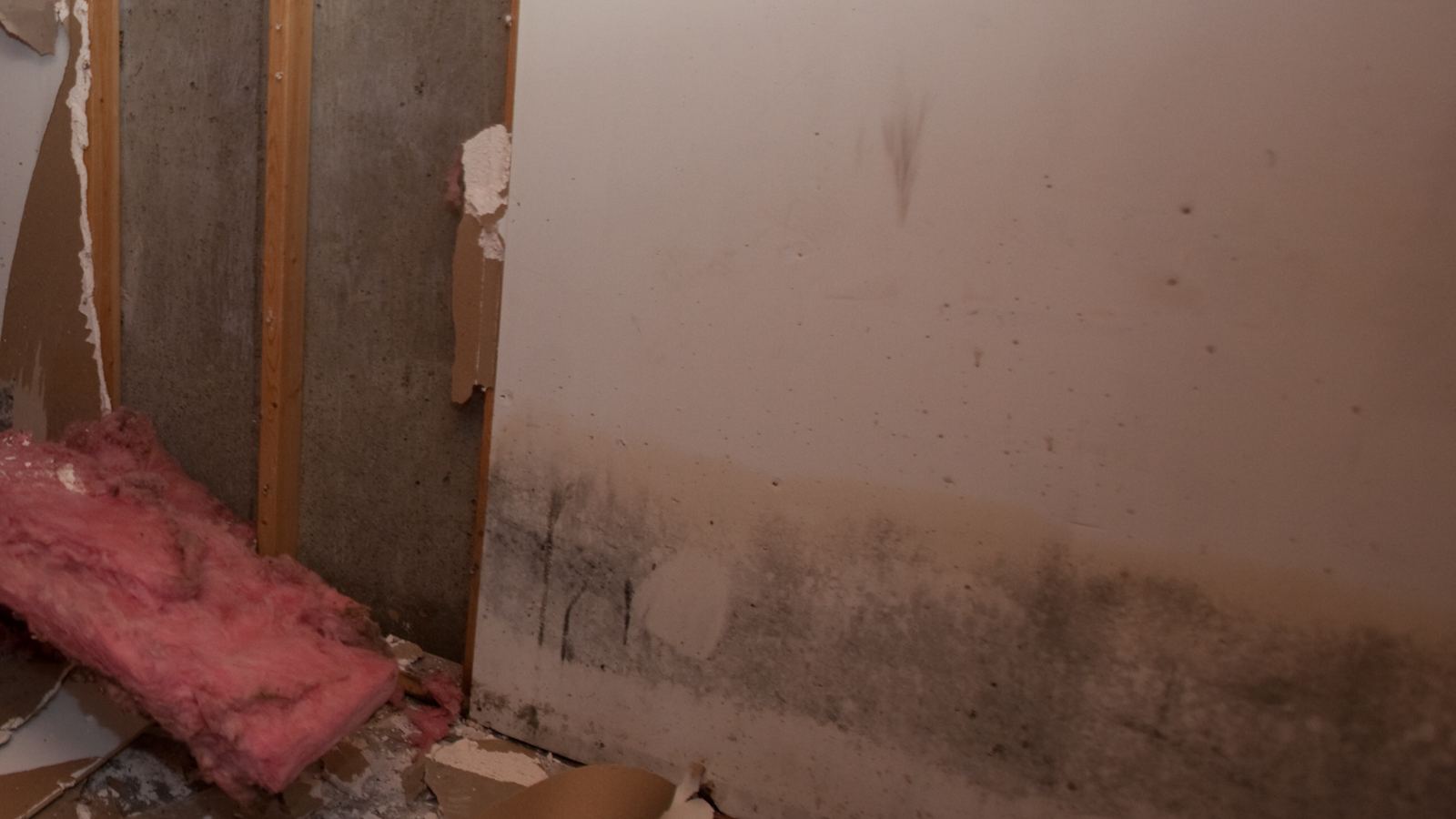
Mold Remediation, Defined
In Florida law, mold remediation means the removal, cleaning, sanitizing, demolition or other treatment, preventive work included, of mold or mold contaminated matter covering more than 10 square feet that was not grown there on purpose (Florida Statutes 468.8411).
Juniper Tide Mold Referrals does none of that work; it only passes requests on.
Removal or remediation
Florida's definition puts removal inside remediation. A useful way to separate them: mold removal is taking the growth and the ruined material out, while remediation is the whole project, including the repair that keeps the damp from returning.
The distinction matters because nobody can promise a home with zero mold. The EPA says it is impossible to get rid of all mold and mold spores indoors, since some spores will always be floating in the air and in house dust (EPA, A Brief Guide to Mold, Moisture and Your Home).
Who is licensed to do it
The Florida Department of Business and Professional Regulation licenses and regulates mold assessors and mold remediators (DBPR, Mold-Related Services). The license belongs to the person, so the useful question is which remediator the company will send.
The statute also says a remediator may not perform or offer the work without documented training in water, mold and respiratory protection (Florida Statutes 468.8419).
The stages of a cleanup

1. Size the job
If a company takes the job, it may measure how far the mold reaches and trace the moisture feeding it. The EPA guide says the plan should cover the repair, containment and removal.

2. Fix the moisture
The leak, overflow or condensation behind the growth has to be repaired, and the plan should say who does it. Until that is done, the EPA does not treat the cleanup as finished.

3. Seal and strip
The EPA guide describes plastic containment under negative pressure and removal of what cannot be cleaned. It says waste is bagged and sealed before it leaves, and the area HEPA vacuumed once dry.

4. Confirm the result
The finished area should show no visible mold, damaged material or moldy odor. If you want clearance testing on record, a separate Florida licensed mold assessor can carry it out.
Why the Leak Gets Fixed First
Mold needs moisture, and the agencies put the repair ahead of the cleanup. The EPA warns that if the mold is cleaned up but the water problem is not fixed, the mold problem will most likely come back.
The Florida Department of Health agrees that any water leaks must first be fixed when solving mold problems. It adds that mold returning quickly or spreading may point to an underlying problem such as a leak (Florida Department of Health, Mold).
Moisture sources the health department names
- Flooding from outside, such as storm water, overflowing lakes and streams, or storm surge.
- Indoor overflow from sinks, tubs, toilets, air conditioner drain pans or sewer systems.
- Indoor plumbing leaks and broken water pipes.
- Condensation from indoor humidity that is too high or surfaces that are too cold.
When a home has taken on water
Time counts after a leak or spill. The EPA says that when wet or damp materials are dried within 24 to 48 hours, in most cases mold will not grow.
If drywall, carpet or cabinets stayed wet past that window, read about mold inspection after water damage and our guide to the first days after water damage.
Whoever quotes the cleanup, ask what is causing the moisture and who is repairing it. Getting quotes from more than one company is something you can do yourself; a request through this site goes to a single company.
How a Mold Removal Job Runs
Every company has its own method; if one contacts you, ask it to walk you through it. The outline below follows the EPA's remediation guide for schools and commercial buildings, which the agency says applies to other building types too (EPA, Mold Remediation in Schools and Commercial Buildings, Chapter 3).
Planning the work
- Measure the problem. The guide calls for sizing the mold and moisture problem and noting the type of damaged material before any plan is made.
- Include the moisture repair. The plan should contain steps to fix the water or moisture problem, or the problem may reoccur.
- Cover protection and containment. It should also cover protective equipment and steps to contain and remove moldy materials without spreading the mold.
- Think about the people inside. For jobs with large areas of contamination, the guide says the plan may include moving some or all occupants out for a time.
Sealing off the work area
Containment exists to keep mold from being released into the air and the rest of the house during the work, so that the workers and the people living there are less exposed.
Limited and full containment
For roughly 10 to 100 square feet of mold, the guide generally recommends limited containment: one layer of fire retardant plastic sheeting with a slit entry and a flap.
Above 100 square feet, it recommends full containment, with a double layer of plastic and an airlock or decontamination chamber for going in and out.
How to tell the seal is holding
The enclosed area is kept under negative pressure so dirty air does not drift into the next room. The EPA's tip: the sheeting should billow inward on every surface, and if it flutters or bulges outward, containment has been lost and should be corrected before work goes on.
Taking out and cleaning
Some material cannot be saved. The Department of Health says that when moldy material is not easily cleanable, such as drywall, carpet padding and insulation, removal and replacement may be necessary.
The EPA guide says material that cannot be salvaged should be double bagged in heavy plastic and sealed before it leaves the containment area. HEPA vacuums are recommended for the final cleanup once materials are thoroughly dry and the contaminated pieces are gone.
Bleach, sprays and ozone
The Department of Health says killing indoor mold with bleach or other chemicals is not needed in most cases, and that the goal is to clean or remove the moldy material.
On ozone generators, the department's answer is no: it says they are not likely to be effective against an indoor mold problem.
Where rebuilding comes in
Florida law says a mold remediator may not do work that requires a contractor license under chapter 489 unless the remediator also holds that license or complies with that chapter. If walls, floors or cabinets need to be put back, ask who will do that part and under whose license.
How Long Mold Remediation Takes
No agency sets a standard number of days. The EPA says a remediation plan may vary greatly depending on the size and complexity of the job, and may need revision if circumstances change or new facts come to light.
What stretches or shortens the schedule
- How much is affected. More square feet means more containment and more material to take out.
- The moisture repair. The EPA does not count a cleanup as finished until the water or moisture problem is completely fixed.
- Mold behind surfaces. If hidden mold turns up once work begins, the EPA guide says to reevaluate the plan.
- Drying. The final HEPA cleanup comes after materials are thoroughly dry.
- Repairs under another license. Rebuilding that needs a contractor license may be scheduled as a separate job.
Where hidden mold tends to be
The EPA lists places such as the back of drywall, wallpaper or paneling, the top of ceiling tiles, the underside of carpet and pads, inside walls around leaking or sweating pipes, behind furniture where condensation forms, and inside ductwork.
If a company contacts you, ask it for a written schedule and what would make it change.
Black Mold: Stachybotrys Chartarum
The mold most often called black mold is Stachybotrys chartarum. The CDC describes it as a greenish black mold that can grow on high cellulose material such as fiberboard, gypsum board and paper, and says constant moisture is required for it to grow (CDC, Facts About Stachybotrys chartarum).
A dark color does not settle what a mold is. The Department of Health notes that mold can be white, gray, brown, black, yellow or green.
Black mold removal follows the same steps
The CDC says all molds should be treated the same way when it comes to removal. The Department of Health adds that a homeowner does not need to find out which type of mold is present, and that all indoor mold growth should be removed promptly.
For health questions, the department says people with special health concerns should consult a medical doctor if they feel their health is affected by indoor mold.
Testing Before and After the Work
Before: an assessment
Florida law describes a mold assessment as a process carried out by a mold assessor to form a first hypothesis about the origin, identity, location and extent of mold growth.
Our home page explains how to ask for an assessment, and the pages on mold inspection and testing and indoor air quality testing cover what each visit involves. The Department of Health says that in most cases, if visible mold growth is present, sampling is not needed.
After: clearance testing
Clearance testing is the check that the cleanup worked. The EPA says surface sampling may be useful to decide whether an area has been adequately cleaned or remediated.
Where air samples are taken, the EPA's guide says the kinds and concentrations of mold in the building should be similar to those outside once cleanup is complete. It also calls an air sample a snapshot of the moment it was taken, and no EPA or other federal limits have been set for mold or mold spores.
When the EPA calls the work finished
- The water or moisture problem is completely fixed.
- No visible mold, mold damaged materials or moldy odors remain.
- A visit shortly after the cleanup finds no new water damage or mold growth.
- People can live in the space again without health complaints or physical symptoms.
In the EPA's own words, this is ultimately a judgment call, and there is no easy answer.
Separate firms for testing and cleanup
Florida keeps the two roles apart. Under section 468.8419, a mold assessor may not remediate a structure that the assessor or the assessor's company assessed within the last 12 months, and a remediator may not assess a structure that the remediator or the remediator's company remediated within the same period.
The statute exempts certain certified Division I contractors from that rule.
| Limited containment | Generally 10 to 100 square feet (EPA) |
|---|---|
| Full containment | More than 100 square feet (EPA) |
| Assessor and remediator on one structure | Kept apart by law, with a contractor exception (Florida Statutes 468.8419) |
| Federal limit for mold spores | None set (EPA) |
What Goes Into the Price
We publish no price, since we do not do the work. A company that takes the request sets its own price once it has seen the job, and the written quote is the place to compare scope.
Our guide to mold remediation cost explains what drives the figure up or down and what a quote should list.
Asking for Mold Remediation
If you send a request, we may pass it to a company whose mold remediator holds a Florida license and that takes requests where you live. That company may pay us for the introduction; you pay us nothing and can turn down anyone who contacts you.
The areas served page lists the cities where requests are taken.
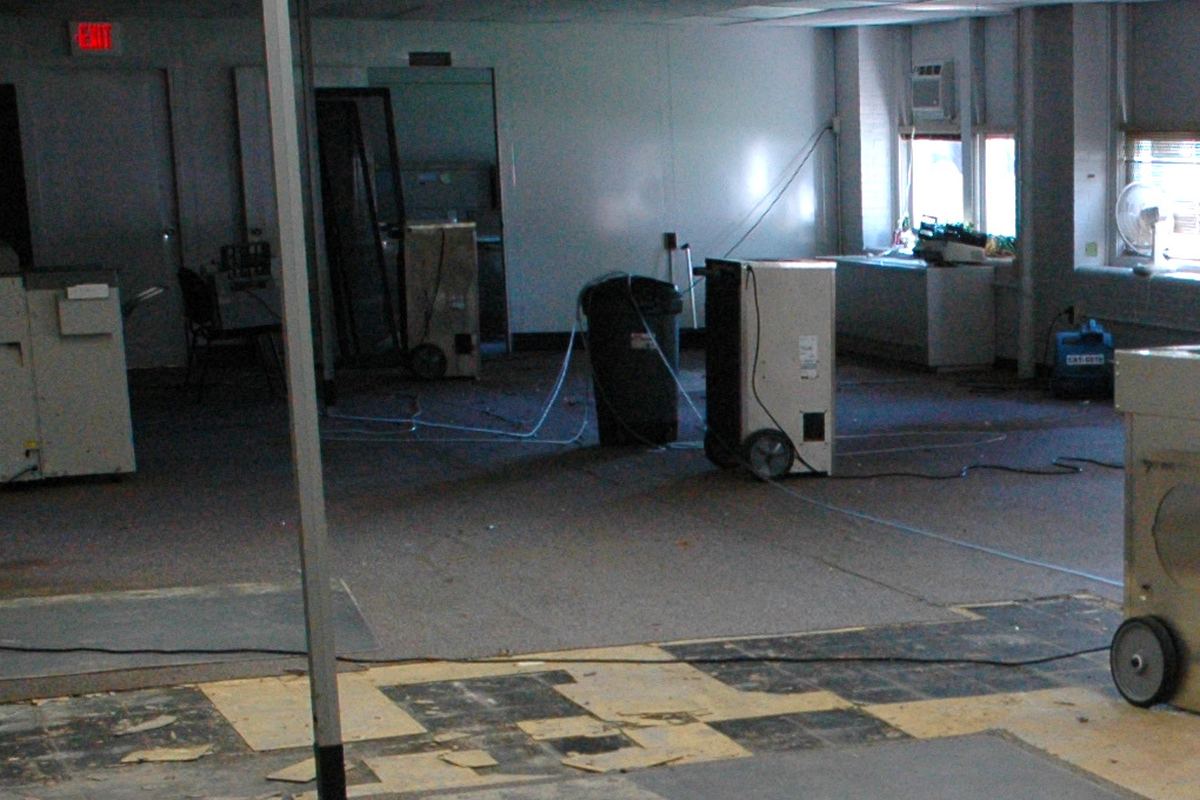
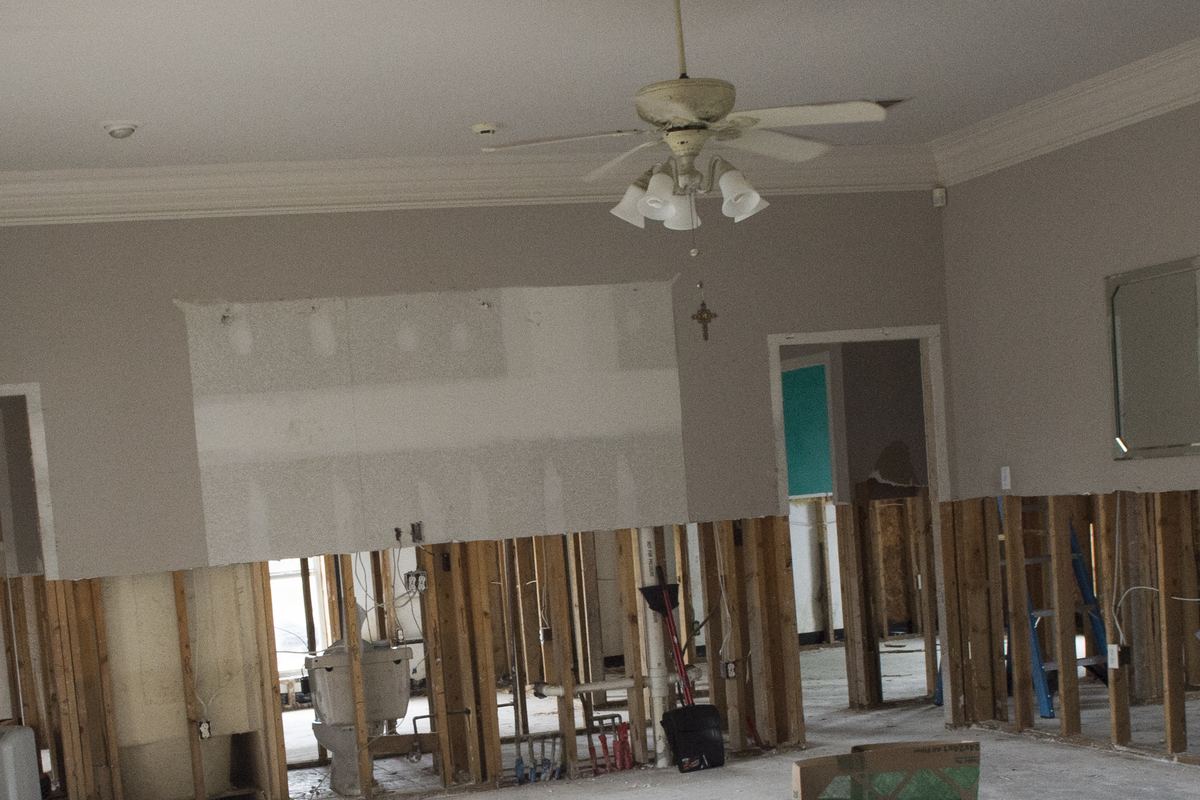
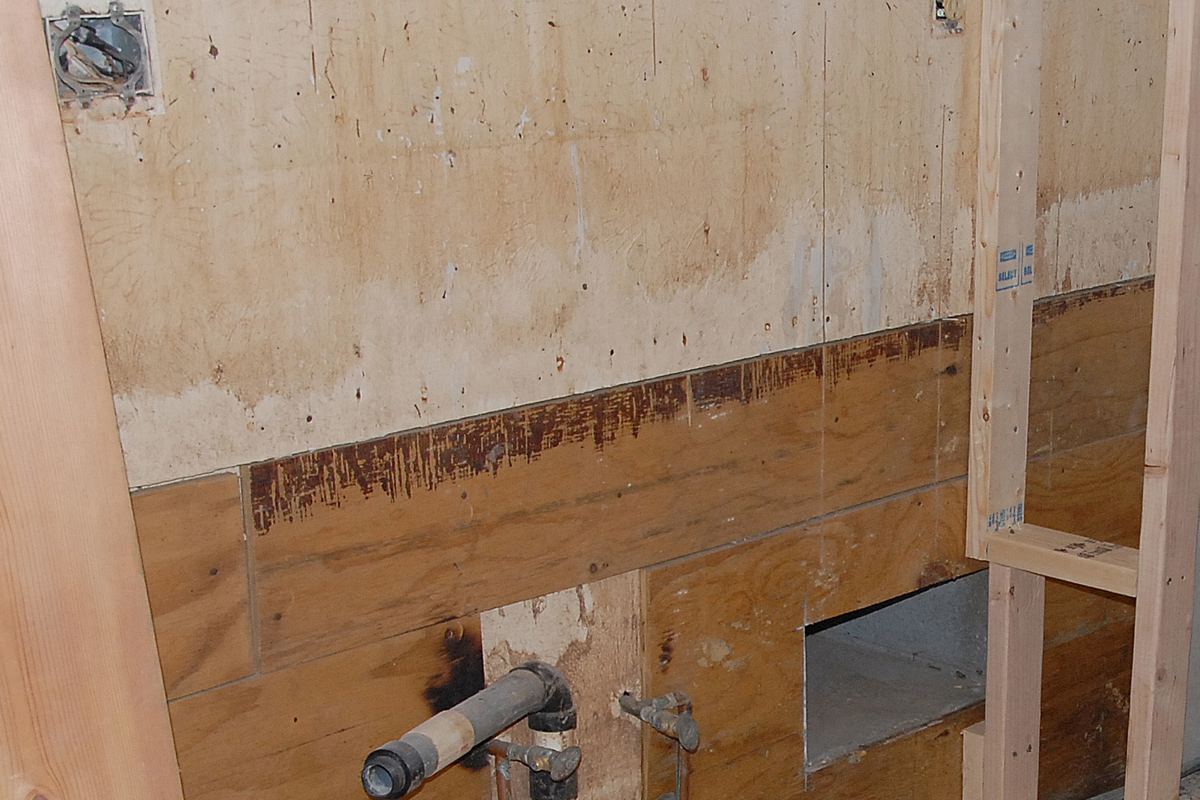
What This Work Looks Like
Public domain photos of other homes, shown to illustrate the work. They are not jobs arranged through this site.
Questions About the Cleanup
Is mold removal the same thing as mold remediation?
Florida's definition puts one inside the other. Removal is taking out the growth and the material it ruined; remediation is the full project, which Florida's definition says covers removal, cleaning, sanitizing, demolition and preventive work.
How long does the work take?
No agency gives a standard figure. The timeline section above lists what moves the date, so ask any company that contacts you for a written schedule.
Does black mold need a different kind of removal?
No. As the black mold section explains, the CDC and the Florida Department of Health say all molds should be treated the same for removal, so the stages above apply to Stachybotrys chartarum too.
Can I remove a small patch of mold myself?
The EPA says that if the moldy area is small, in most cases you can handle the job yourself by following its guidelines. It points to professional help when sewage or other contaminated water caused the damage, and to its fuller guidance when there was a lot of water damage.
Will the mold come back after remediation?
It can if the moisture remains, which is why the leak gets fixed first. A visit shortly after the cleanup that finds no new water damage or growth is one of the signs the EPA lists that the work is finished.
Will I have to move out during the work?
Not always. The EPA guide says that in some cases, especially those involving large areas of contamination, the remediation plan may include moving some or all occupants out for a time. Ask the company whether its plan for your home calls for that.
Sources
- U.S. EPA, A Brief Guide to Mold, Moisture and Your Home. https://www.epa.gov/mold/brief-guide-mold-moisture-and-your-home. Read 2026-11-22.
- U.S. EPA, Mold Remediation in Schools and Commercial Buildings Guide, Chapter 3. https://www.epa.gov/mold/mold-remediation-schools-and-commercial-buildings-guide-chapter-3. Read 2026-11-22.
- Florida Department of Health, Mold. https://www.floridahealth.gov/community-environmental-public-health/environmental-public-health/air-quality/mold/. Read 2026-11-22.
- CDC, Facts About Stachybotrys chartarum. https://www.cdc.gov/mold-health/data-research/facts-stats/index.html. Read 2026-11-22.
- Florida DBPR, Mold-Related Services. https://www2.myfloridalicense.com/mold-related-services/. Read 2026-11-22.
- Florida Statutes 468.8411, Definitions. https://www.leg.state.fl.us/statutes/index.cfm?App_mode=Display_Statute&URL=0400-0499/0468/Sections/0468.8411.html. Read 2026-11-22.
- Florida Statutes 468.8419, Prohibitions; penalties. https://www.leg.state.fl.us/statutes/index.cfm?App_mode=Display_Statute&URL=0400-0499/0468/Sections/0468.8419.html. Read 2026-11-22.
Where we take requests
Requests are taken for Jacksonville and Jacksonville Beach. See all areas served.
Related pages
Mold inspection and testing, mold inspection after water damage and indoor air quality testing.
Read first
What drives the cost of a cleanup and Florida mold license types.
Ask About Mold Remediation for Your Home
Fill in the short form and we may pass your request to a company whose mold remediator holds a Florida license. That company may contact you, and it may pay us for the introduction.