The short answer: A mold inspection makes the most sense after water got into the house, when a moldy smell has no source you can find, when people at home report symptoms, and after a cleanup to see whether the work held. Each of those four is taken from a federal or Florida agency page, named where it is used and listed with its date at the end.
Juniper Tide Mold Referrals is a referral service. We do not inspect or test, and nothing here is health, legal or insurance advice.
After a Leak Gets Into the House
Every one of these agencies starts with water. In the words of the Florida Department of Health, all molds require water to grow, which is why it calls moisture control the key to stopping mold indoors.
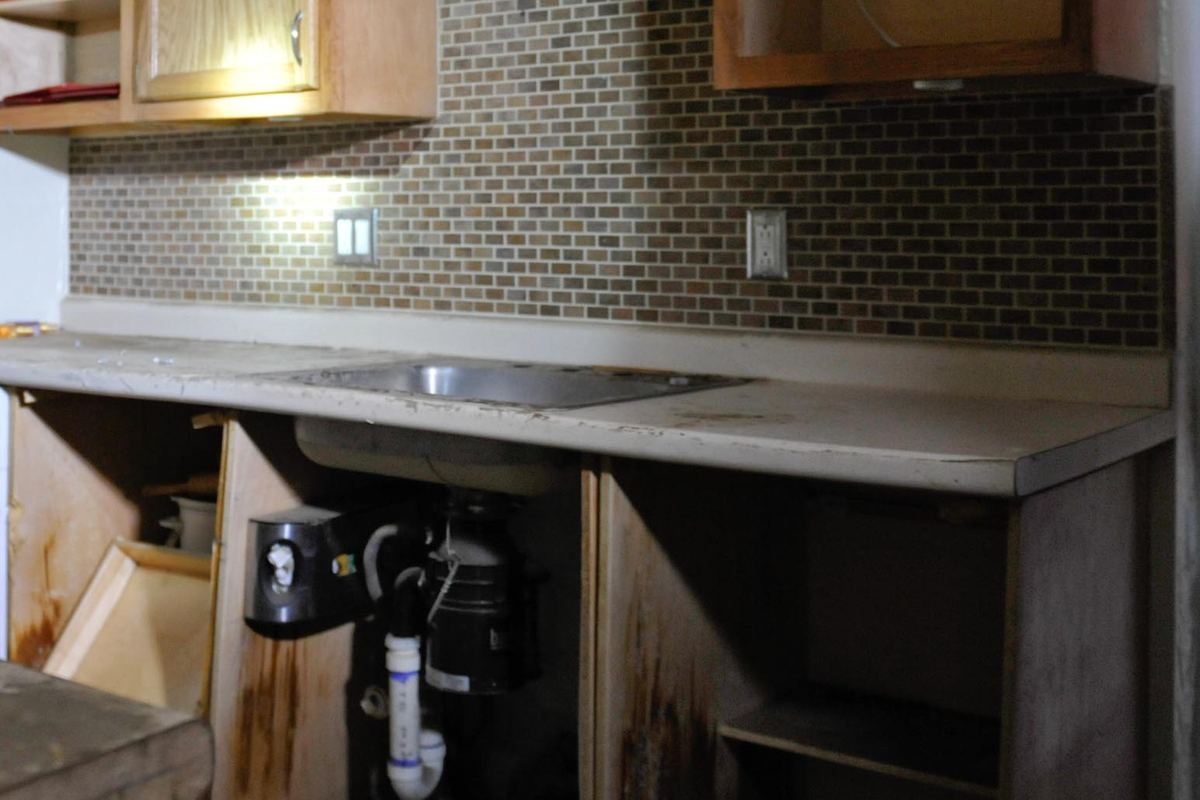
Its list of moisture sources reads like a list of ordinary household mishaps. Among them are roof, wall and floor leaks from outside, indoor plumbing leaks or broken water pipes, and overflow from sinks, tubs, toilets and air conditioner drain pans.
Dry first, then decide
The department's first steps come before anyone is called. It says to clean and dry up spills within 24 hours, and that any water leaks must first be fixed when solving mold problems.
Our guide to mold after water damage covers those first days in detail. This page picks up when the question becomes whether someone should look.
Signs the water went further than you thought
The department tells homeowners to look for signs of moisture or water damage: water leaks, standing water, water stains and condensation.
It also says that if mold returns quickly or spreads, there may be an underlying problem such as a water leak.
Places a leak can reach out of sight
The EPA's Brief Guide to Mold, Moisture and Your Home names spots where mold may hide after water damage:
- the back side of drywall, wallpaper or paneling
- the top side of ceiling tiles
- the underside of carpets and pads
- inside walls around leaking or condensing pipes
- inside ductwork
- roofing materials above the ceiling tiles, wet from a roof leak or from too little insulation
Water damage plus complaints
The same EPA guide gives a pairing worth knowing. Known water damage, together with residents who report health problems, is one of the two situations in which it says hidden mold may be suspected.
A Musty Smell You Cannot Trace
Smell is often the first clue. Mold growing indoors, the Florida Department of Health says, can usually be seen or smelled; in its words, if you can smell an earthy or musty odor, you may have a mold problem.
The EPA puts the untraced smell on its short list of reasons to suspect hidden mold: a building that smells moldy when you cannot see the source.
Where the health department says to look
The department's own checks are simple. It says to search areas where you notice mold odors, and to check around air conditioners and furnaces for standing water.
For the air handler itself, it lists the evaporator coils, liner surfaces, drain pans and drain lines as parts to inspect routinely.
Why the EPA urges caution before opening walls
Hunting for the source can make things worse. The EPA says investigating hidden mold will require caution when it means disturbing places where mold may be growing, and gives the example that pulling off wallpaper can release a massive amount of spores if mold is on its underside.
Its advice for that case is short: if you believe you may have a hidden mold problem, consider hiring an experienced professional.
A note on the air system
If the smell seems to come from the vents, the EPA's guide says not to run the heating, ventilation and air conditioning system if you know or suspect it is contaminated with mold, because it could spread mold through the building.
When Someone at Home Has Symptoms
This section only repeats what the health agencies say. Questions about a person's health belong with a doctor; the Florida Department of Health says people with special health concerns should consult a medical doctor if they feel indoor mold is affecting their health.
What the Florida Department of Health lists
The department's list for people who are sensitive to molds includes congestion or irritation of the nose and sinuses, wheezing, a dry hacking cough, burning or rashes on the skin, and eyes that are watery or reddened. It adds that molds can trigger asthma attacks in people with asthma.
It ties those symptoms to the home in one line: if mold allergic people have some of them while in your home, you may have a mold problem.
What the EPA adds
The EPA's Brief Guide says mold exposure can irritate the eyes, skin, nose, throat and lungs of people who are allergic to mold and of people who are not. It also says its overview does not describe every possible health effect, and points readers to a health professional or their state or local health department.
When sampling enters the picture
Health concerns are one of the three cases the EPA names in Mold Remediation in Schools and Commercial Buildings where sampling may be considered. The other two are cases where litigation is involved and cases where the source of the mold is unclear.
The Florida Department of Health takes a narrower view: it does not recommend mold testing or sampling to find out whether you have a mold problem. Our mold testing page explains what samples can and cannot show.
After a Cleanup: The Clearance Check
The fourth moment comes at the end: once a remediation is finished, a check of the work looks at whether the cleanup did what it was meant to do. This guide calls it a clearance check.
The EPA's test for a finished job
The EPA's remediation guide lists these measures, given here in close paraphrase:
- The water or moisture problem has been completely fixed.
- Visible mold, mold damaged materials and moldy odors are not present.
- A visit shortly after remediation shows no signs of water damage or mold growth.
- Those who live or work there can return without health complaints or physical symptoms.
The guide ends that list plainly: ultimately, this is a judgment call, and there is no easy answer.
Where samples fit after remediation
The EPA's Mold Testing or Sampling page names one use for samples at this stage: surface samples may help show whether an area was cleaned or remediated well enough.
Indoor air against outdoor air
For air samples, the remediation guide sets the comparison outdoors: after remediation, the kinds of mold inside and how much of each should be similar to what is found outside.
Why experience matters here
The guide lists pitfalls when inexperienced people sample, among them taking too few samples, letting samples become contaminated and leaving out outdoor control samples. The EPA says sampling should be done by professionals with specific experience in designing sampling protocols and interpreting results.
Who does the check in Florida
Under section 468.8411, Florida Statutes, a mold assessment is a process performed by a mold assessor, and it covers mold growth of greater than 10 square feet. Both mold assessors and mold remediators hold their licenses from the Florida Department of Business and Professional Regulation.
Our license guide explains the two license types and what each one covers.
Buying a House Is a Separate Question
For a buyer, the timing depends on the purchase contract, and our guide to mold inspection before buying a house covers that case.
Asking From Jacksonville or the Beaches
We take requests for homes and other buildings in Jacksonville and nearby. For a home near the ocean, see mold inspection in Jacksonville Beach.
The contact form asks for four things: what you need, your ZIP code, your name and your email address. A company whose mold assessor holds a Florida license may receive it and ask you for details afterward, and that company may pay us for the introduction.
Timing a Mold Inspection: Reader Questions
When should you get a mold inspection if no mold is visible?
The agencies do not say to wait for something visible. The EPA lists a moldy smell with no visible source, and water damage paired with health complaints, as reasons to suspect hidden mold. When a hidden problem is suspected, its Brief Guide says to consider hiring an experienced professional.
Is testing needed if the mold is already in plain view?
In most cases, no, according to the EPA, which says sampling is unnecessary when visible mold growth is present. The EPA also says no federal limits have been set for mold or mold spores, so a sample cannot show whether a home meets a federal mold standard.
Does the Florida Department of Health inspect houses?
Its mold page says the department does not provide mold testing. It does say it can help people identify mold problems, advise on investigation and cleanup methods, and answer questions about the health effects of mold exposure; the page lists how to reach its indoor air program.
Sources
- Florida Department of Health, Indoor Mold and Your Health. https://www.floridahealth.gov/community-environmental-public-health/environmental-public-health/air-quality/mold/. Read 2026-11-23.
- U.S. Environmental Protection Agency, A Brief Guide to Mold, Moisture and Your Home. https://www.epa.gov/mold/brief-guide-mold-moisture-and-your-home. Read 2026-11-23.
- U.S. Environmental Protection Agency, Mold Testing or Sampling. https://www.epa.gov/mold/mold-testing-or-sampling. Read 2026-11-23.
- U.S. Environmental Protection Agency, Mold Remediation in Schools and Commercial Buildings, Chapter 3. https://www.epa.gov/mold/mold-remediation-schools-and-commercial-buildings-guide-chapter-3. Read 2026-11-23.
- Florida Department of Business and Professional Regulation, Mold-Related Services. https://www2.myfloridalicense.com/mold-related-services/. Read 2026-11-23.
- Florida Statutes, section 468.8411, Definitions. https://www.leg.state.fl.us/statutes/index.cfm?App_mode=Display_Statute&URL=0400-0499/0468/Sections/0468.8411.html. Read 2026-11-23.
The service
Mold inspection and mold testing: what a Florida licensed mold assessor looks at, step by step.
Other guides
Mold after water damage: the first days and mold inspection before buying a house.
How to ask
Send a request through the short form. It may reach a company whose mold assessor holds a Florida license, which may pay us for the introduction.