The short answer: Mold starts when a spore lands on a damp material it can digest and the dampness lasts. Water is the part a household can actually change; once growth is already there, our page on mold testing covers what a sample can and cannot show.
Juniper Tide Mold Referrals is a referral service, not a lab and not a mold company. The science below belongs to the EPA, the CDC and the Florida Department of Health, each named where it is used and listed with its date at the end.
Part One: Spores Arrive on Their Own
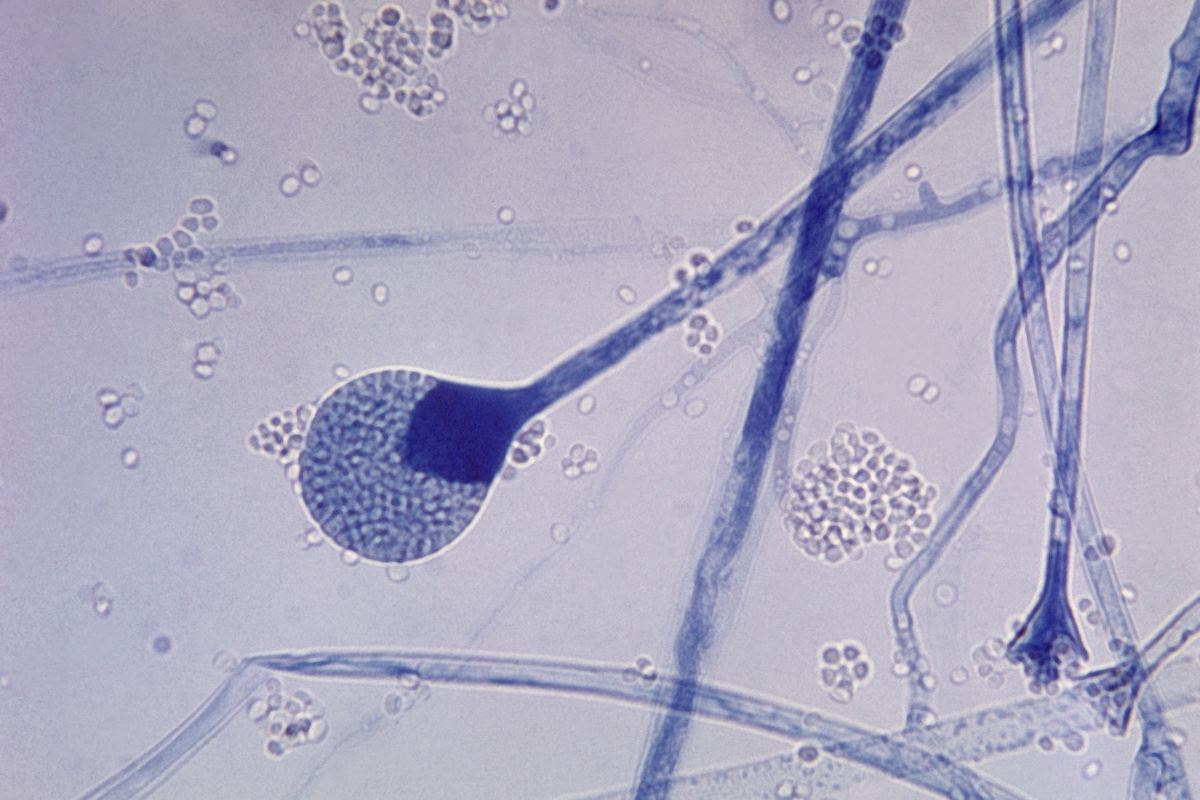
The CDC starts from a plain fact: there is always some mold around, indoors and outdoors. Nobody has to bring it in on purpose.
How Spores Get Inside
The CDC names the routes. Mold from outside rides in on clothing, shoes, bags and pets, and it comes through open doors, windows and vents, and through heating and air conditioning systems.
The EPA's mold course adds that many spores are light enough to float, and that even the gentlest breeze can carry them a long way. It says the count in the air rises and falls by season, by day and even by hour.
Spores Cannot Be Kept Out
The EPA's second chapter calls removing every mold spore from a home virtually impossible. The Florida Department of Health agrees that some mold, as spores and bits of cells, will always be in a house, and calls mold in the air normal.
Why a Spore Is Not Yet a Problem
A spore sitting in dust is waiting, not growing. The EPA's course says spores in the air and in settled dust will not grow unless moisture is present.
The EPA's page What Are Molds? says that wait can be long: a spore may stay able to grow for years after it forms.
Part Two: Water That Stays
Every agency on this page puts water first when it explains what causes mold. The EPA says there are many types of mold and all of them need water or moisture to grow.
The EPA also says the risk climbs when a moisture problem goes unnoticed or is left alone.
A Little Water Is Enough
Mold does not wait for a flood. The EPA's course gives bathroom condensation, or a damp window sill, as amounts that can be enough, and names tile and grout, the area around sinks and the edges of windows as common spots.
Building Problems That Feed Water In
The EPA's second chapter lists moisture problems that come from the building itself:
- Roofs that leak
- Water pipes that leak or sweat, above all inside wall cavities
- Fire sprinkler systems that leak
- Landscaping, gutters and downspouts that send water into or under the house
- Humidity at 60 percent relative humidity
- A clothes dryer or other combustion appliance vented into a garage instead of outside
Ventilation and Upkeep
The same chapter says moisture can build up in a tightly sealed building that lacks enough ventilation. It also links delayed or skipped maintenance to moisture problems.
Water From Everyday Living
The Florida Department of Health points to sources inside the household routine. Its list includes shower and cooking steam that is not vented, humidifier use, and the moisture people give off as sweat, breath and wet hair on a pillow.
The Humidity Marks
| Florida Department of Health | Keep relative humidity below 60 percent; below 50 percent is best for controlling both mold and dust mites. |
|---|---|
| EPA, Brief Guide | Below 60 percent if possible, ideally between 30 and 50 percent. |
| CDC | As low as you can, no higher than 50 percent, all day long. |
Part Three: Something to Eat
Mold feeds on what it grows on. The EPA says it can use virtually any organic substance, and that most buildings are full of such materials.
Materials Named by the Agencies
The EPA's page on molds lists wood, paper, carpet, foods and insulation. The Florida Department of Health names wood and sheetrock, and the CDC adds ceiling tiles, cardboard, paint, wallpaper, fabric and upholstery.
Dust as Food
A clean wall is not the same as a mold proof one. The Florida Department of Health says dust that settles on building materials or furniture can be a food source on its own.
What Feeding Does to a House
The EPA's second chapter explains the damage by the feeding itself: because mold digests the material under it, it can harm a building and its furnishings. Left unchecked, the chapter says, it can eventually cause structural damage.
Part Four: Air, Warmth and Cold Surfaces
Warmth gets a lot of the blame, but the EPA's course says temperature is usually not the issue. Some molds like warm places and others do well in the cold, such as on bread kept in a refrigerator.
Where temperature does show up is in which mold wins. The course says moisture, light and temperature may favor one species over another in the same spot.
Oxygen
The EPA's page on molds says they can be found almost anywhere that moisture and oxygen are present. Oxygen is in every room, so it is not a part a household can take away.
Warm, Humid Air on a Cold Surface
Warm air matters most as a carrier of water. The EPA explains that condensation can form when warm, humid air meets a cold surface, the way a cold bottle sweats when it is carried outside on a hot day.
Outdoor air that is warm and moist is one of the moisture sources on the Florida Department of Health's list. Its humidity advice for a house in Jacksonville or anywhere in the state names an air conditioner or a dehumidifier, and it says a central system that needs a dehumidifier to get under 60 percent should be examined for problems.
Cold Corners and Ducts
The EPA's second chapter says mold is often found in cold corners behind furniture, where condensation forms. Its photo of a sweating air conditioning duct comes with a fix: insulate the duct on the outside.
The chapter wants ducts that pass through spaces without air conditioning sealed and insulated, so condensation stays out of the system.
How the Four Parts Add Up
Spores are always present and food is built into the walls and floors. That leaves water, which is why the EPA's Brief Guide states the key to mold control is moisture control.
The Florida Department of Health ties cleanup to the same idea. In its words, growth that comes back fast or spreads can point to a deeper problem, a water leak for example, and solving a mold problem starts with fixing any leak.
When the Water Is Hidden
The EPA's second chapter names the inside of walls where pipes and wires run, the space above ceiling tiles and the underside of carpet pads as places hidden mold can grow. It says to suspect mold you cannot see when a building smells moldy.
For a home at the coast, the page on mold inspection in Jacksonville Beach covers what a Florida licensed mold assessor looks at. The darker growth many people call black mold has its own page: what causes black mold.
Questions About What Causes Mold
Can mold come into a house from outside?
Yes. The CDC says outdoor mold can be carried in on clothing, shoes, bags and pets, and can enter through open doors, windows, vents and heating and air conditioning systems. Spores arriving that way are normal; the Florida Department of Health says what should not happen is mold growing and multiplying indoors.
Can a home be made completely free of spores?
Not by the EPA's account. Its mold course calls eliminating all mold and spores indoors virtually impossible, and says a background level will remain after cleanup. It adds that those spores will not grow once the moisture problem is resolved.
Does air conditioning stop mold?
The agencies treat it as a tool, not a guarantee. The EPA says one job of a heating and air conditioning system is to remove moisture from the air before it reaches the rooms, and the Florida Department of Health suggests an air conditioner or dehumidifier to keep humidity below 60 percent. The EPA also lists steps that keep the system itself dry, such as removing standing water under the cooling coils and keeping drain pans flowing.
Does dead mold still matter?
The EPA says that whether or not spores are alive, the allergens in and on them may stay allergenic for years. Its mold course adds that, dead or alive, mold can set off allergic reactions in some people.
Sources
- Centers for Disease Control and Prevention, Mold (September 26, 2024). https://www.cdc.gov/mold-health/about/index.html. Read 2026-11-23.
- U.S. Environmental Protection Agency, What Are Molds?. https://www.epa.gov/mold/what-are-molds. Read 2026-11-23.
- U.S. Environmental Protection Agency, Mold Course Chapter 1. https://www.epa.gov/mold/mold-course-chapter-1. Read 2026-11-23.
- U.S. Environmental Protection Agency, Mold Course Chapter 2. https://www.epa.gov/mold/mold-course-chapter-2. Read 2026-11-23.
- U.S. Environmental Protection Agency, A Brief Guide to Mold, Moisture and Your Home. https://www.epa.gov/mold/brief-guide-mold-moisture-and-your-home. Read 2026-11-23.
- Florida Department of Health, Mold. https://www.floridahealth.gov/community-environmental-public-health/environmental-public-health/air-quality/mold/. Read 2026-11-23.
The service
Mold testing: when a Florida licensed mold assessor takes samples, and what the results leave open.
Other guides
Mold after water damage: the first days and where mold grows in a house.
How to ask
Send a request on the contact page; you do not pay us to ask. A company whose mold assessor holds a Florida license may pay us for the introduction.