What These Guides Explain
Mold growth indoors comes down to conditions a house can supply or deny. These six guides follow those conditions from the basic biology to the drip under a sink, quoting the agencies that describe them.
What Mold Needs
What Causes Mold? breaks growth into four parts: spores that drift in on their own, water that stays, something to feed on, and warm moist air meeting a cold surface. It ends with how hidden water ties the four together.
What Causes Black Mold? turns to Stachybotrys and the other dark molds people worry about most, and sets out what the CDC says about color and toxicity.
Why Jacksonville Houses Supply It
What Causes House Mold in Jacksonville looks at the city's weather and its homes together: humidity and rainfall from dated federal records, then roofs, air conditioning and plumbing leaks.
How to Prevent Mold in a Florida Home turns that into a routine: the indoor humidity mark the EPA gives, air conditioner care, checks before and after hurricane season, and fast drying after a leak.
Where the Causes Show Up
Common Signs of Mold in a House sorts the clues by what you see, smell and feel, names the stains that only look like mold, and marks which signs the health agencies hand to a professional.
Where Mold Grows in a House walks the rooms instead: bathrooms, the air handler and ducts, the attic, under sinks, window frames, and the wall behind a dresser on an outside wall.
Reading Them in Order
If you have a spot in front of you, the signs and rooms guides come first. If the spot keeps returning after cleanup, the cause and prevention guides explain where the water is likely coming from.
Health questions sit on a separate shelf, Mold Health Risks, and the cleanup and inspection guides are on Mold News and Guides.
We are a referral service, not a mold company. Any assessment or remediation is carried out by a company whose assessor or remediator holds a Florida license, and that company may pay us for the introduction.
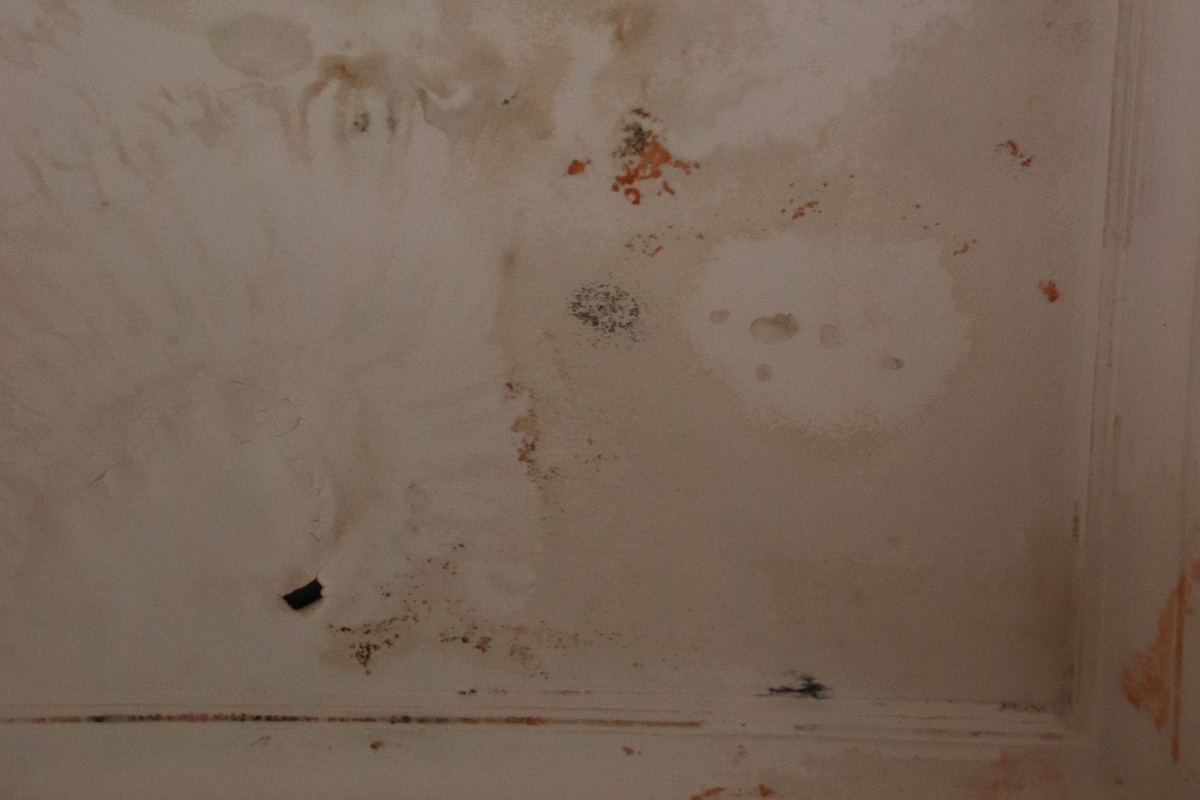 Guide
Common Signs of Mold in a House
What mold looks, smells and feels like in a home, what can be mistaken for it, and which signs the health agencies hand to a professional.
Read the guide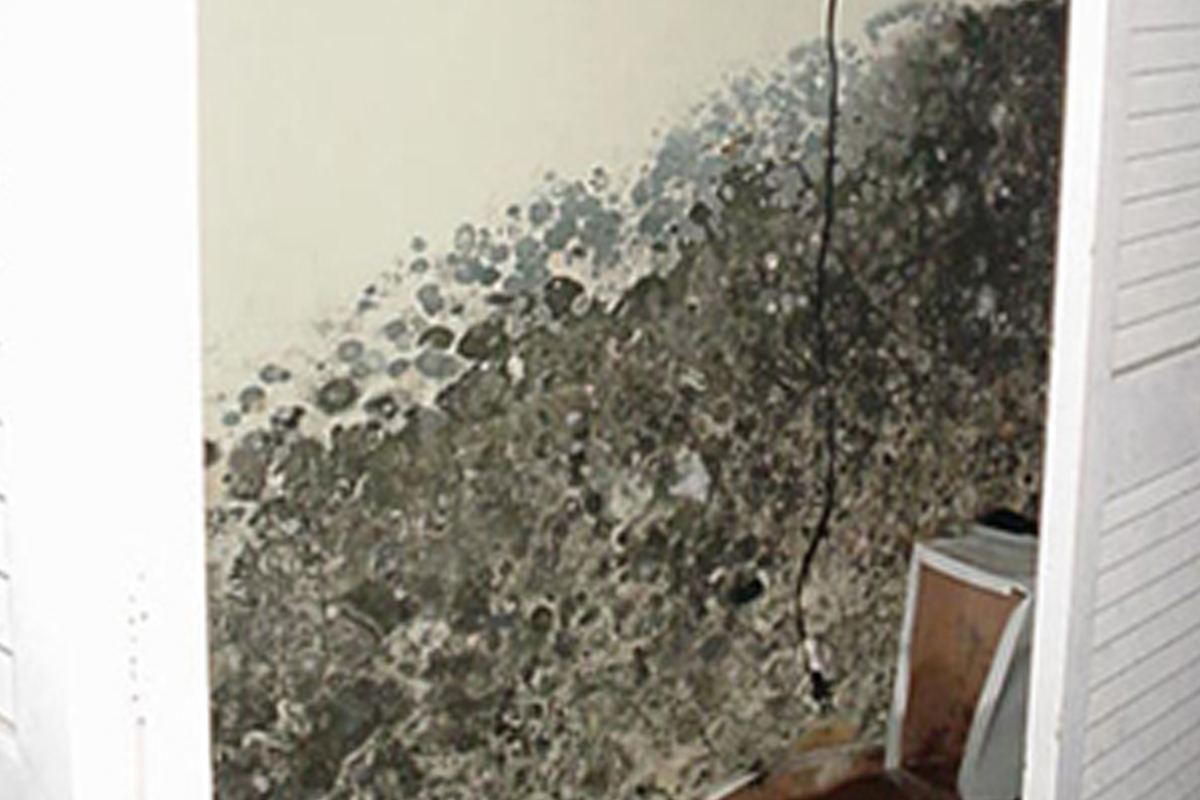 Guide
Where Mold Grows in a House
A room by room tour of the damp spots the EPA and the Florida Department of Health name, from the shower and the air handler to the wall behind a dresser.
Read the guide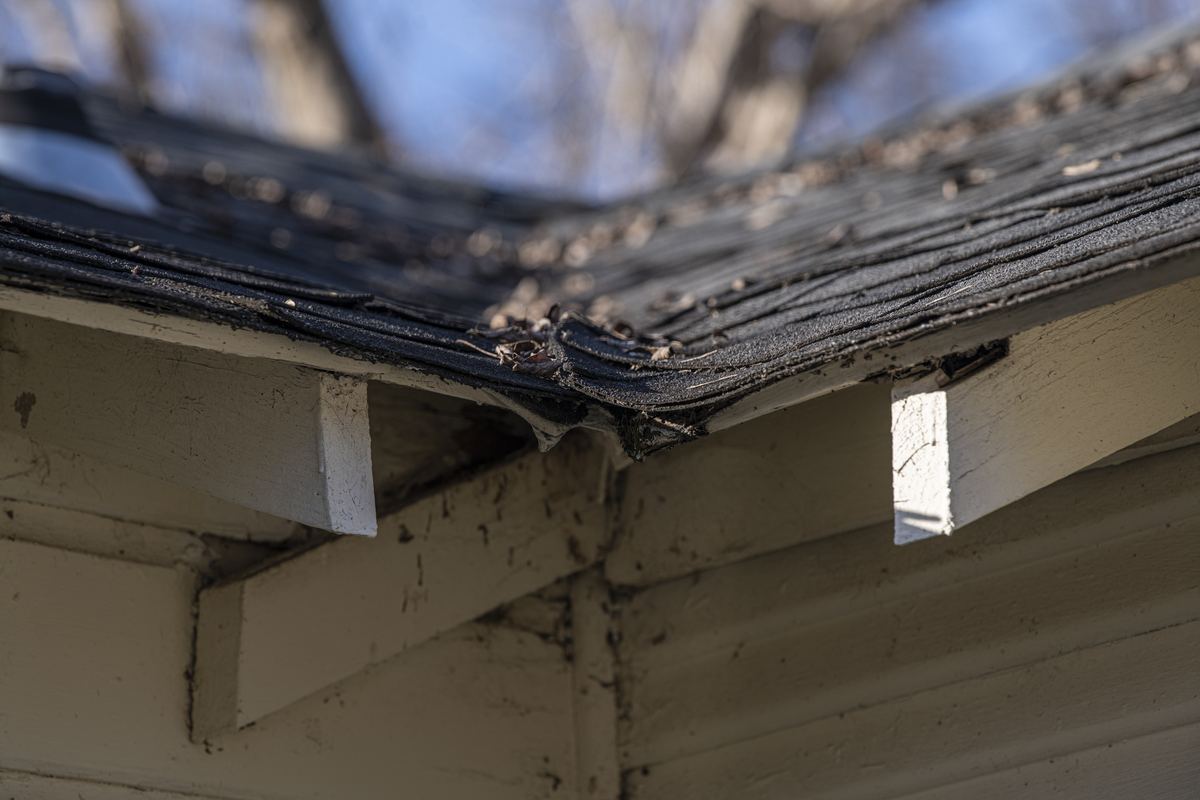 Guide
What Causes House Mold in Jacksonville, and How to Prevent It
Jacksonville's rain and summer moisture, read from NOAA's 1991 to 2020 normals, and the roof, air conditioner and plumbing problems that let that water into a house.
Read the guide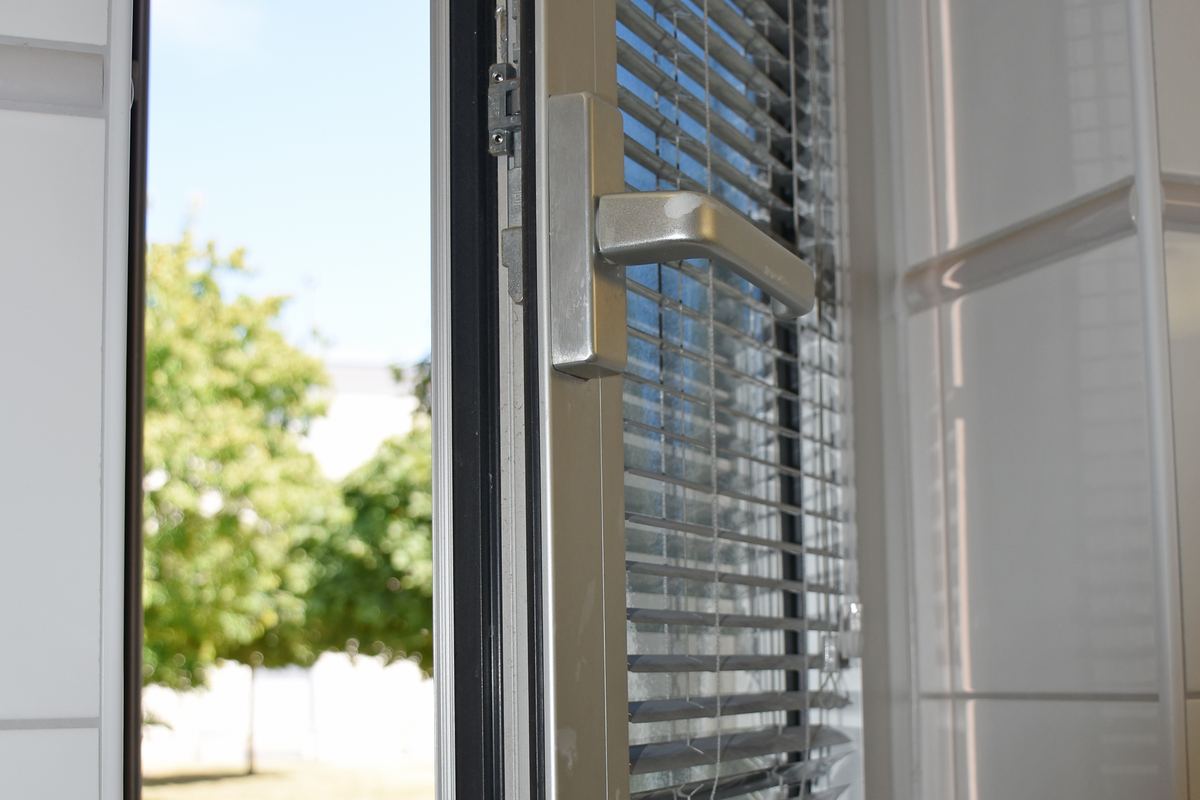 Guide
How to Prevent Mold in a Florida Home
A prevention routine built from EPA, Florida Department of Health and National Hurricane Center guidance: humidity, air conditioner care, hurricane season and fast drying.
Read the guide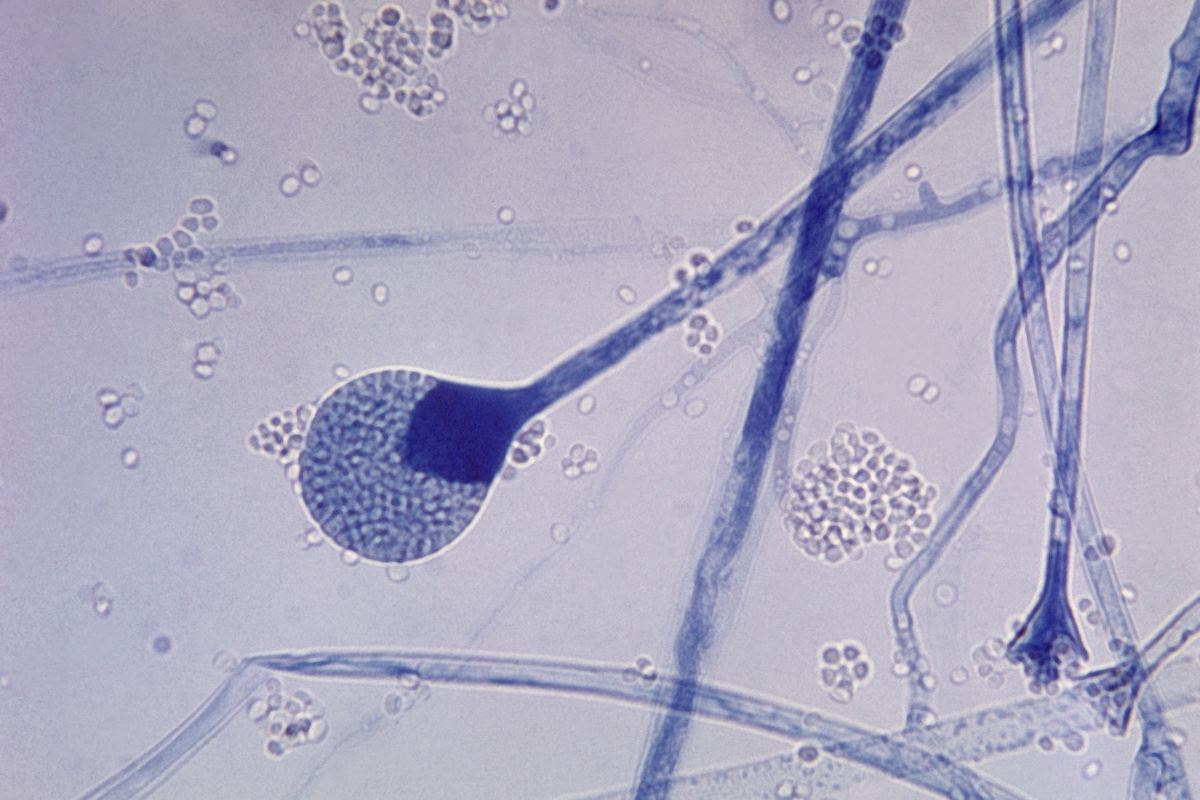 Guide
What Causes Mold?
The four parts behind indoor mold growth, spores, water, food and warm moist air, explained from federal and Florida health agency pages.
Read the guide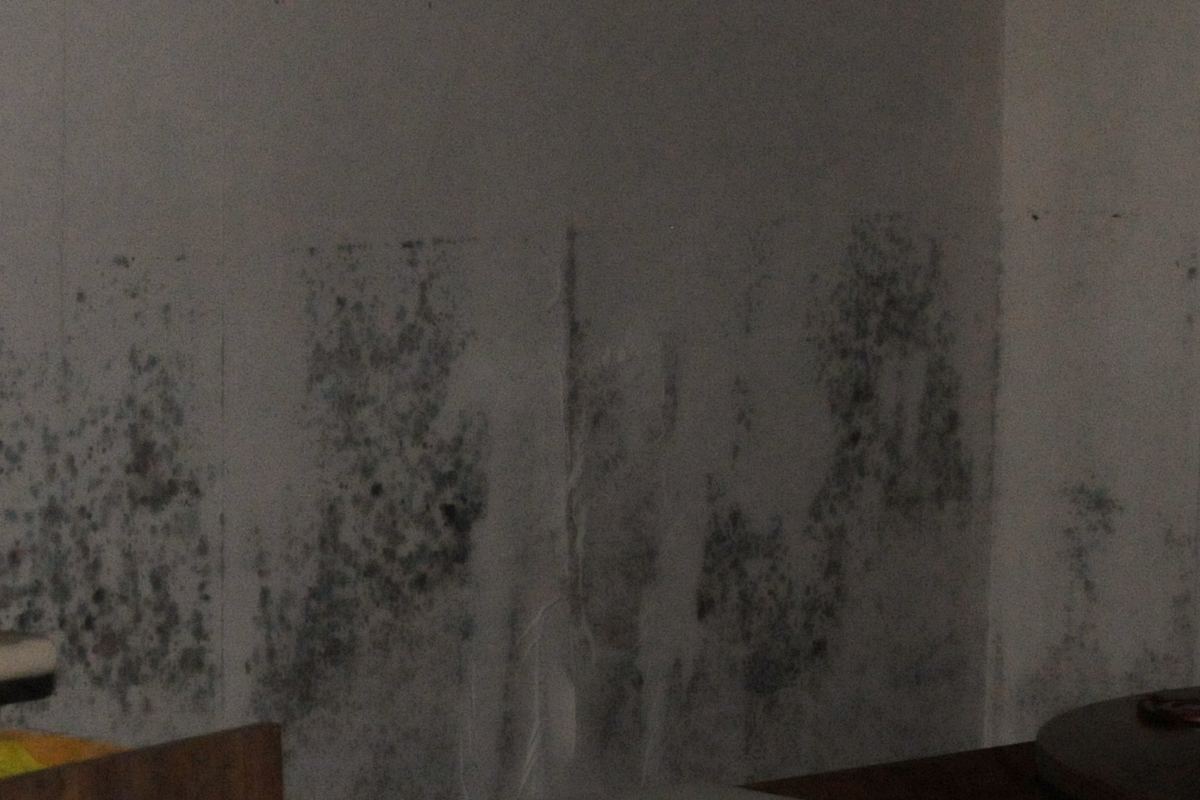 Guide
What Causes Black Mold?
Stachybotrys chartarum and other dark molds: the water and materials the CDC names, and what the health agencies say a black color does and does not mean.
Read the guideAsk for an Assessment
When the water source is hidden or the growth keeps coming back, send a request with what you need and your ZIP code. The request may go to a company whose mold assessor holds a Florida license, which may pay us for the introduction.